Tamlyn
LouHing
Projects
Projects
Filters
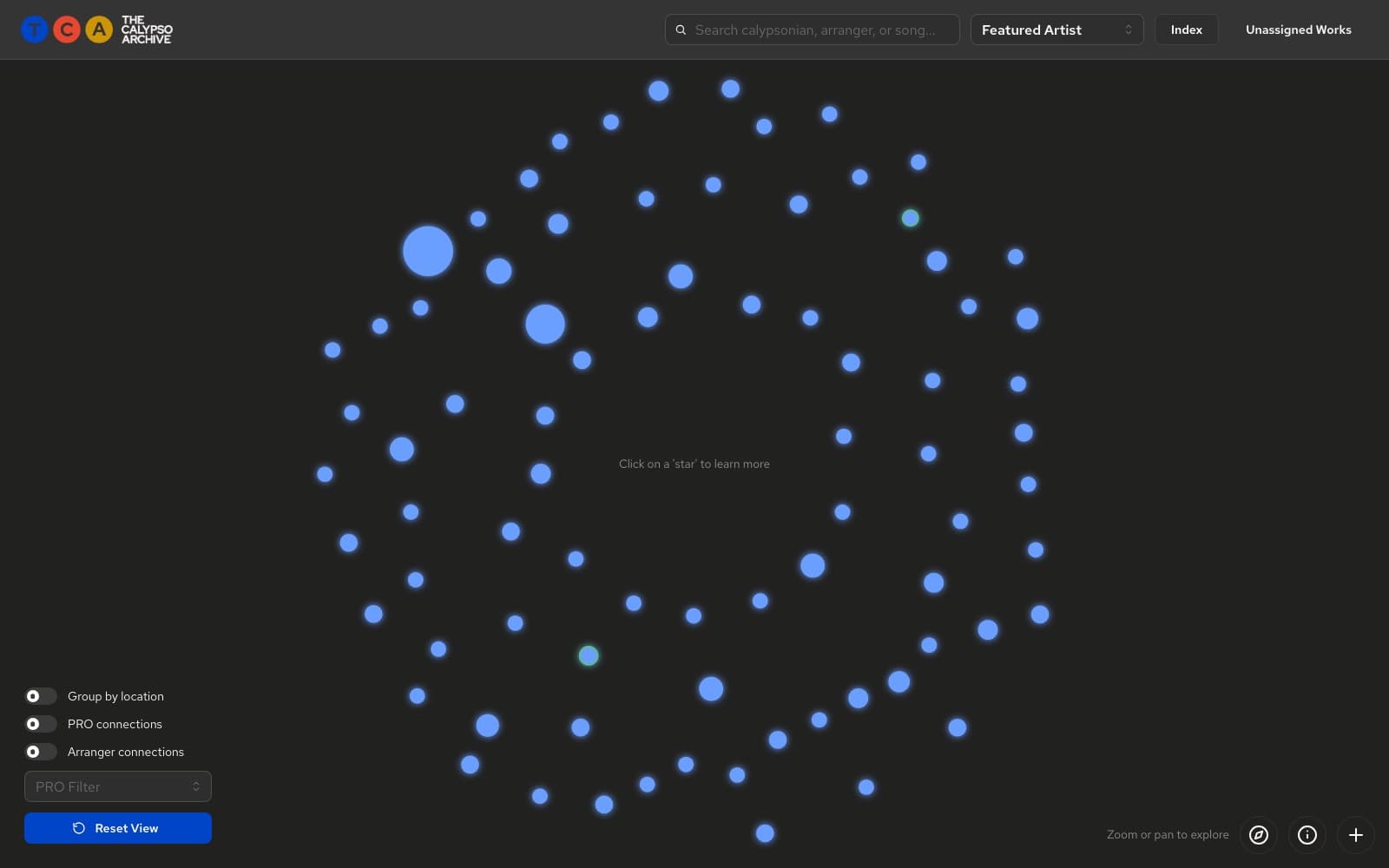
How do you turn an accurate but unreadable spreadsheet into something the public can actually explore?
The Calypso Archive
How do you turn an accurate but unreadable spreadsheet into something the public can actually explore?
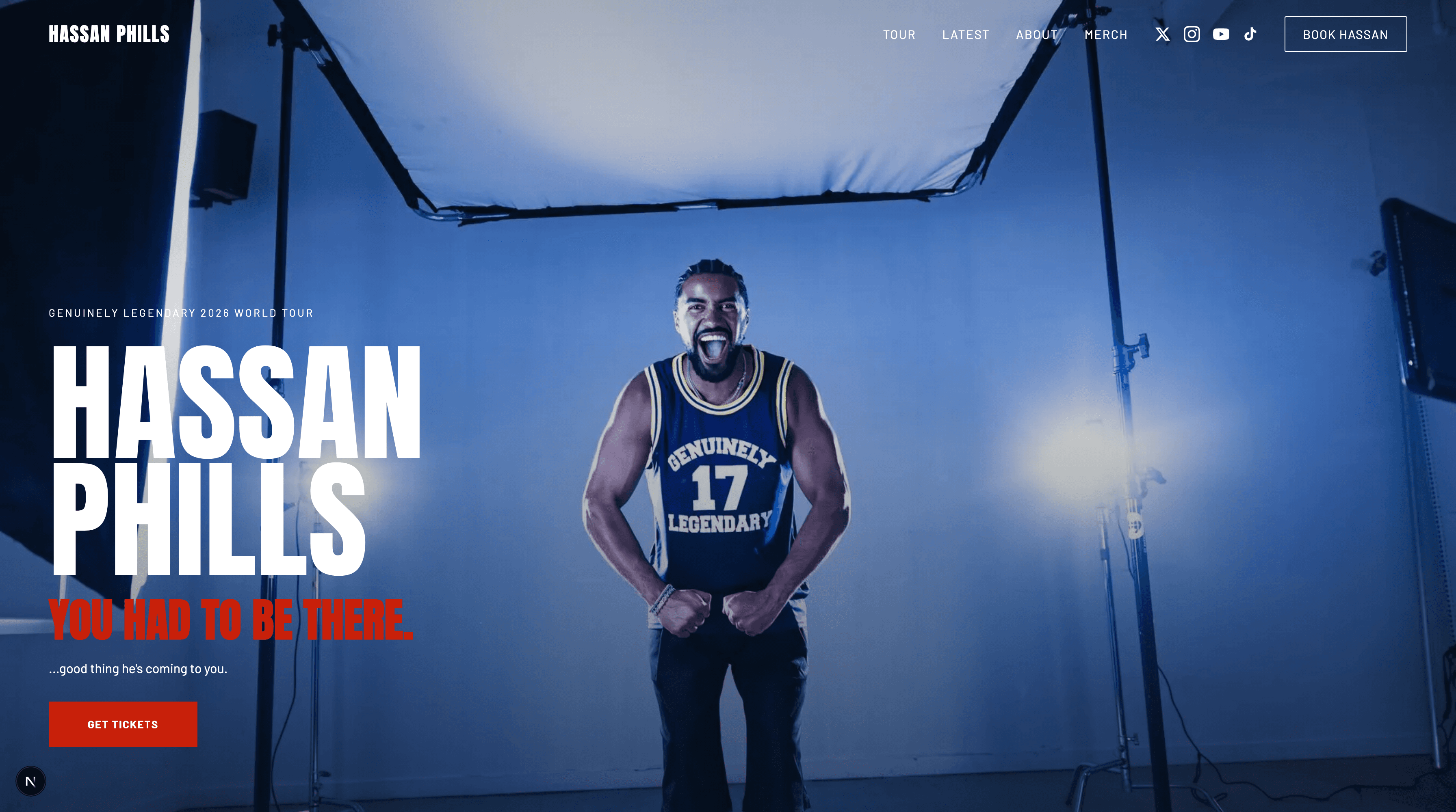
How might fans navigate a 40+ date tour spread across a dozen ticketing platforms?
Hassan Phills
How might fans navigate a 40+ date tour spread across a dozen ticketing platforms?
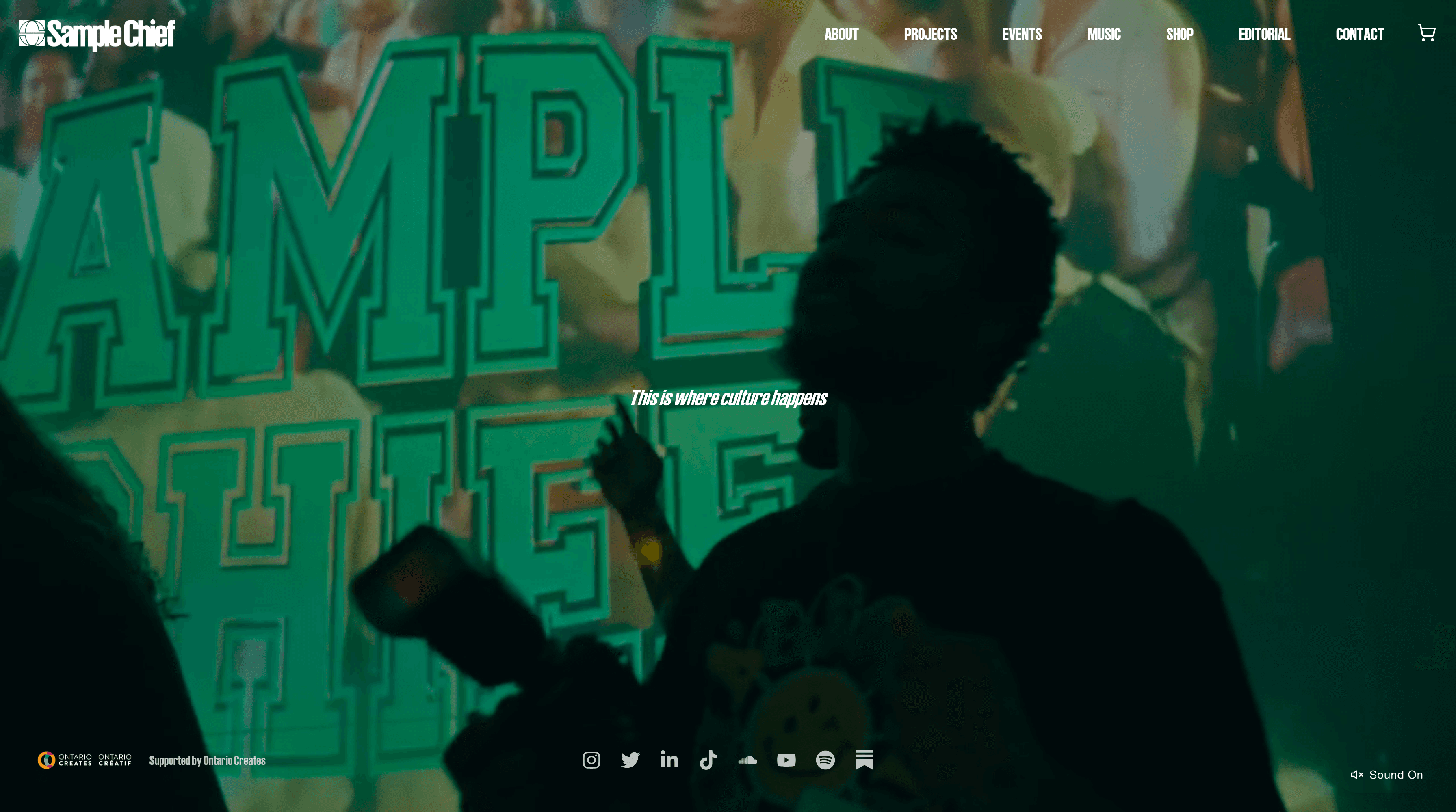
How do you give a loud, varied body of work one home without turning the volume down?
Sample Chief
How do you give a loud, varied body of work one home without turning the volume down?
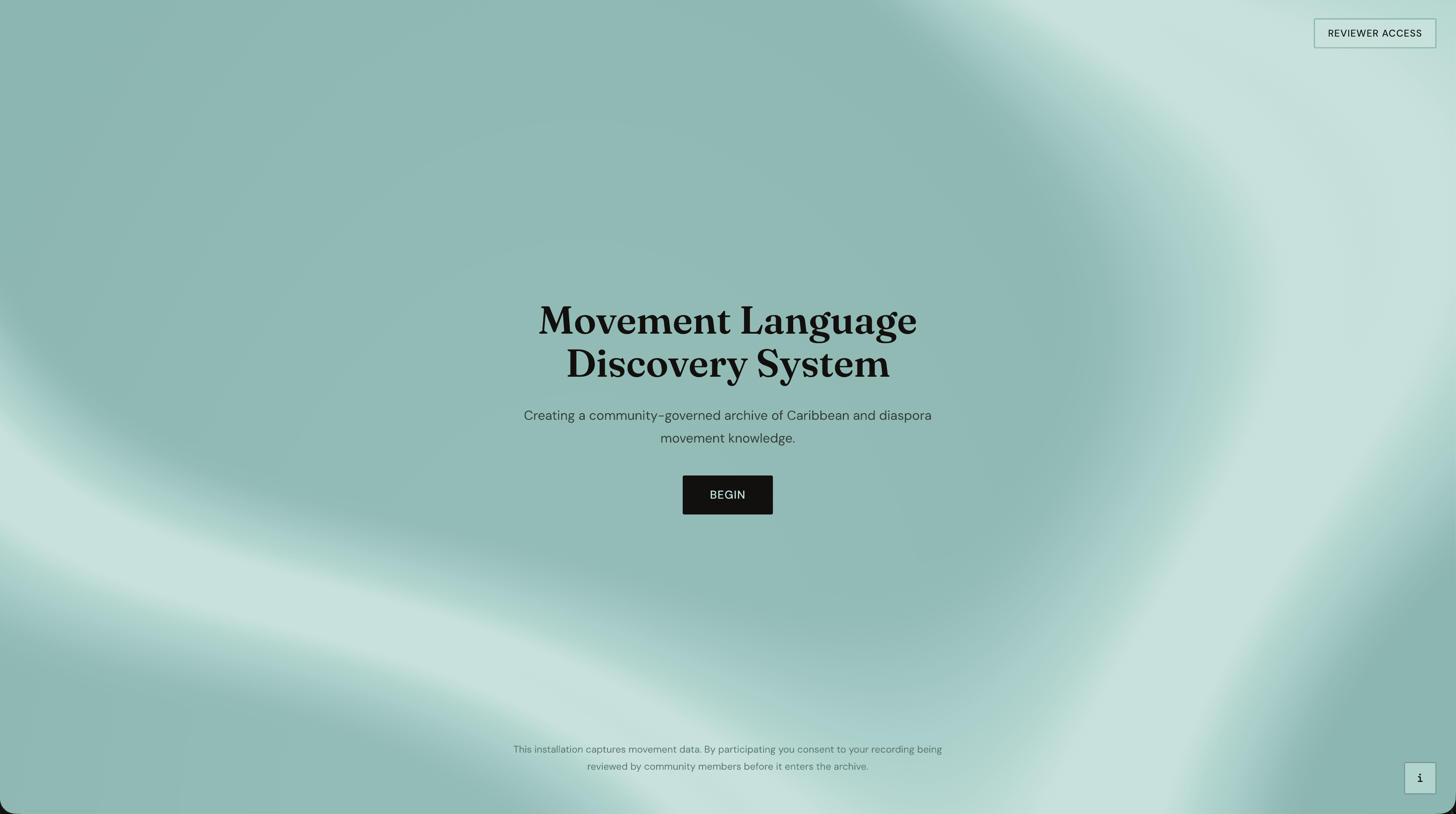
How might communities correct machine-labelled, culturally specific movement?
Movement Language Discovery System
How might communities correct machine-labelled, culturally specific movement?
How might cultural knowledge stay accessible without depending on the cloud?
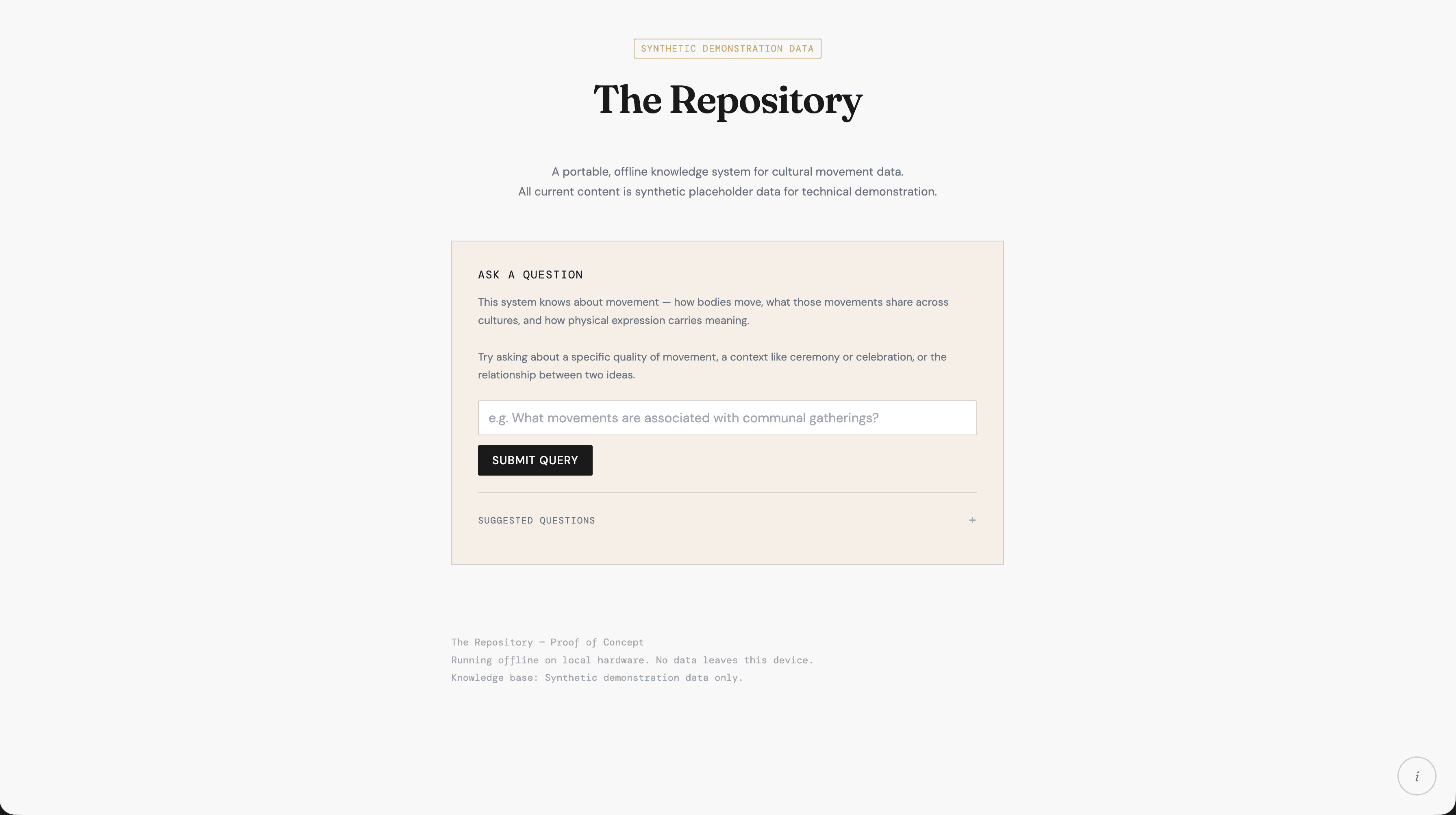
Movement Language RAG Archive
How might cultural knowledge stay accessible without depending on the cloud?
About
About
Built,
not just
designed.
Interaction Design, George Brown College
My path to design started in luxury retail operations. Ten years in, I noticed the same pattern behind every smooth customer experience: careful process, close attention to detail, and a team that knew how to work together.
Managing inventory, staff, and the handoffs between departments taught me just how interconnected operations are — when one part breaks, it shows up everywhere. That's the same instinct I bring to debugging and product management: find where it actually broke, trace what depends on it, then fix that instead of the symptom. It's the same discipline that leads me to get the data model right before building an interface on top of it.
After completing my Interaction Design Advanced Diploma with Honours, I bring that operational knowledge to user-centred design — spanning product strategy, creative coding, and full-stack prototyping, with a focus on solutions that work for the people using them. With a coding practice built over time, I use tools like Claude Code to move from idea to working project faster, without giving up ownership of the logic.
User Needs
What people ask for isn't always what they need — the real requirement is often sitting in the context around the request, not the request itself. I look for that gap.
Collaboration
The most interesting solutions come from teams where different perspectives come together to challenge the norm. I'm drawn to environments where learning new skills and growth in creative practice is encouraged.
What next?
Exploring creative technology and coding, and how tech advancements can support cultural preservation and heritage.
Now
Now
Building Infrastructure
for Calypso History
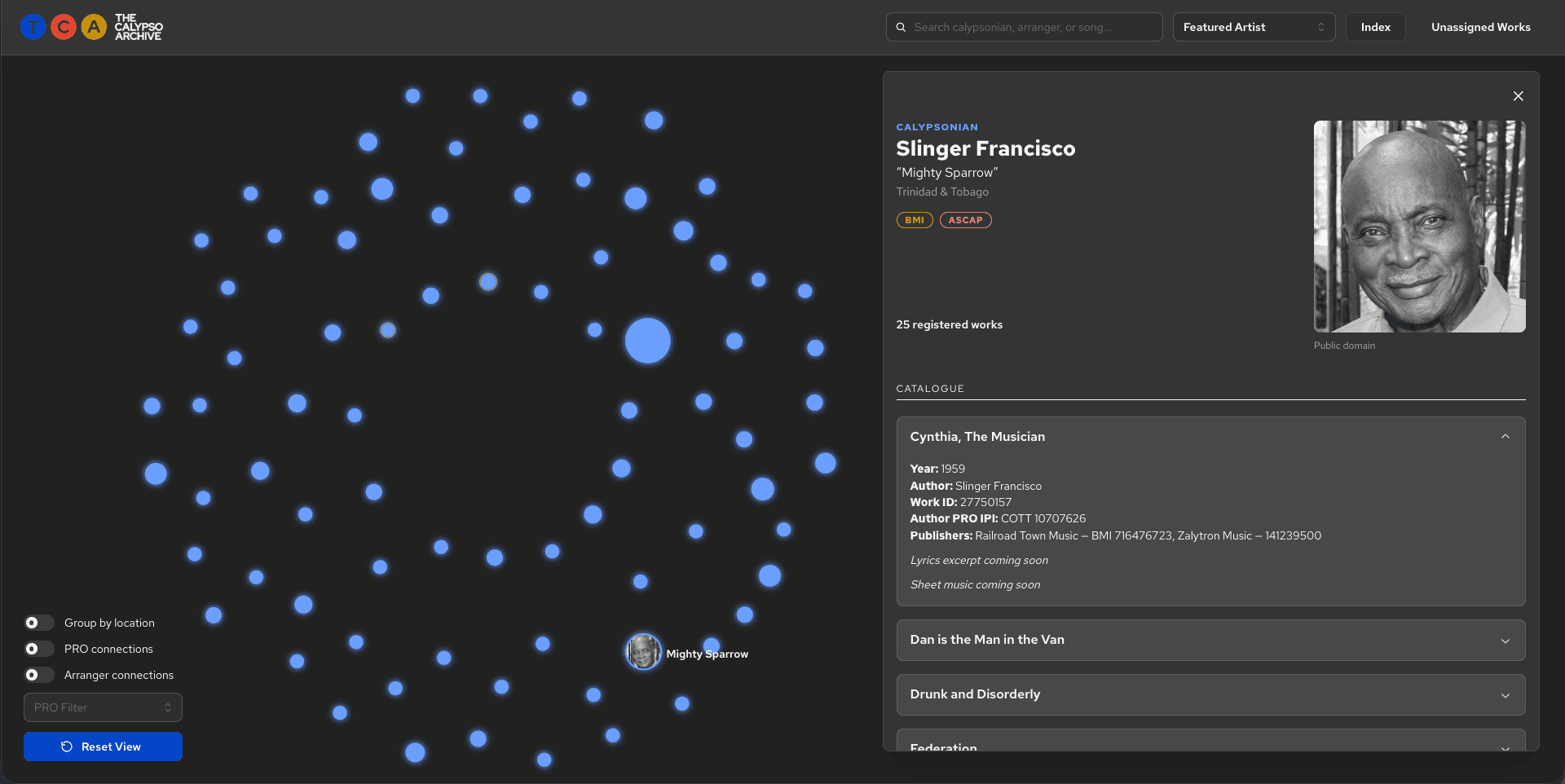
The Calypso Archive is a public data platform for Kaiso Street Society, turning 221 BMI/ASCAP-registered works across 80 calypsonians and arrangers into an explorable, interactive record. The first release — designed and built solo over nine weeks — is a full case study here.
What's next: recorded consent captured for every submitted item, fuller artist pages in the style built for Marjorie Johnson extended across the catalogue, audio and video alongside the existing photo and document scans, and continued accessibility work. The registry keeps growing too — the /contribute pipeline is open now for community uploads, reviewed by a curator before anything goes live.
The Calypso Archive